
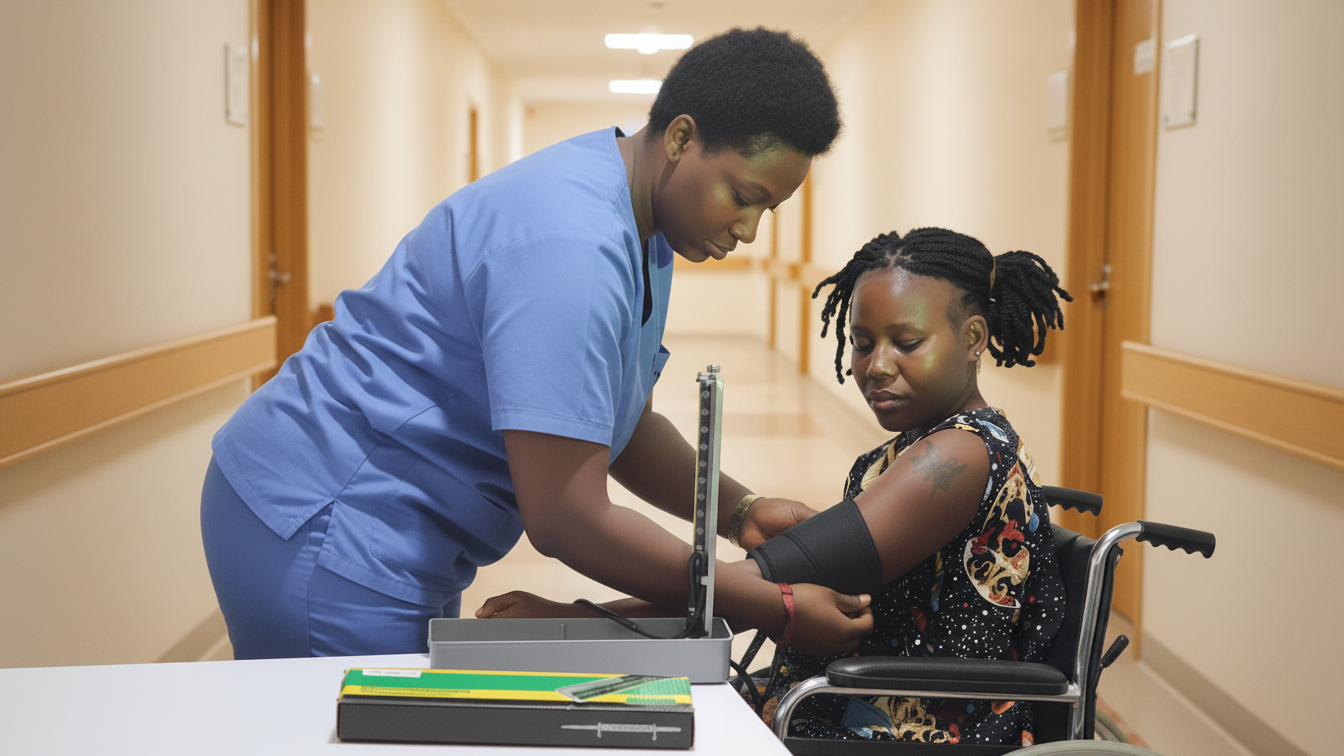
National Skills Qualification In Geriatric Social Care Level 1 2 3
NSQ Level 1 – 3 Geriatric Social Care
By doing this course, the learner will be equipped with the basic knowledge of older persons care and demonstrate understanding of attitudes and perceptions of older people, care delivery and their support system.
To gain this qualification at level 1 (Basic), learner will need to achieve 24 credit value of which 8 credit has to be from theory 16 credit from practical teaching session.
To gain this qualification at level 2 learner will need to achieve 27 credit value of which 9 credit has to be from theory 18 credit from practical teaching session.
To gain this qualification at level 3 learner will need to achieve 33 credit value of which 10 credit has to be from theory 22 credit from practical teaching session
The level 1 – Basic Geriatric Social Care certification, level 2- certified geriatric social care Attendant, level 3 – certified Geriatric Social Care Officer- 2 is required for geriatric social caregiving anywhere in the private sector. The certified basic geriatric social caregiver could achieve public service employment after acquiring relevant qualification.
PURPOSE
This qualification is designed for individuals who are interested in developing a career in Geriatric Social Care.
REQUIREMENTS
Candidates must be at least 18 years of age, be medically fit, be physically fit, be mentally fit, have achieved all the mandatory units in the qualification.
QUALIFICATION OBJECTIVE
At the end of the qualification, the Basic Geriatric Social Caregiver should be able to:
- Communicate effectively in workplace
- Relate effectively in work environment
- Work as part of a multidisciplinary team
- Observe health and safety protocols
- Know Basic assistive devices
- Carryout Daily vital signs
Level 1 – Basic Geriatric Social Care certification
This is a 15-credit value qualification. To achieve this qualification; learners are required to achieve all credits value. Each Credit is equivalent to 10 Guided Learning Hours (GLH). There is an optional unit
Level 2- certified geriatric social care Attendant
This is a 27-credit value qualification. To achieve this qualification; learners are required to achieve all credits value. Each Credit is equivalent to 10 Guided Learning Hours (GLH). There is an optional unit
Level 3 – certified Geriatric Social Care Officer- 2
This is a 33-credit value qualification. To achieve this qualification; learners are required to achieve all credits value. Each Credit is equivalent to 10 Guided Learning Hours (GLH). There is an optional unit
- Basic Communication in care settings
- Health and Safety in Care Settings- 1
- Team work -1
- Basic knowledge of the Ageing Process
- Basic Knowledge of Legal and compliance issues of older persons
- Common medical conditions of the older persons-1
- Medication Management-1
- Basic Activities of Daily Living 1
- Basic Activities of Daily Living
- End-of-life care I
- Soft skills I
- Assistive Devices I
- To equip learners with the basic knowledge, competency and skills to effectively communicate with geriatric clients, their families, and care team to enhance the overall quality of care provided in geriatric social care settings.
- learners will have the knowledge and skills necessary to create and maintain a safe and healthy environment for older adult, the geriatric social care team and the public.
- Learner will be able to effectively collaborate and cooperate within a multi-disciplinary team in order to provide holistic care for older persons
- Learners will learn appropriate attitude and understanding of basic natural physical, cognitive and psychological changes of ageing and to recognize and support in the management of common age-related health and social conditions of older persons
- Learners are equip with appropriate knowledge and competency on basic legal and compliance issues of older persons and care
- Learners will have appropriate knowledge and competency in common medical conditions in older people
- Equip learners with appropriate knowledge and competency to safely provide basic support to older persons in oral medication administration control non-compliance and adverse medication effects.
- Equip learners with appropriate knowledge, attitude, skills and competency to support older persons with their Basic Activities of Daily Living
- Equip learners with appropriate knowledge, competency, attitude and skills on end- of-life process and provide basic support to older person and family members
- Equip learners with appropriate knowledge, attitude, competency on soft skills essential for providing compassionate and effective social care to geriatric individual
- Equip learners with appropriate knowledge, attitude and skills, to recognise basic Assistive Devices with the operational excellence they bring in older persons care
- Basic Communication in care settings- 1
- Health and Safety-2
- Team work -2
- Knowledge of the Ageing Process-1
- Legal and compliance issues of older persons- 1
- Common medical conditions of the older persons-2
- Medication management-2
- Basic Activities of Daily Living-2
- End-of-life care 2
- Soft skills 2
- Assistive Device 2
- To equip learners with the knowledge and skills necessary to create and maintain a safe and healthy environment for older adult, the geriatric social care team and the public
- To develop knowledge and skill necessary for effective collaboration and cooperation within a multi-disciplinary team in order to provide holistic care for older persons
- To equip learners with the appropriate attitude and understanding of natural physical, cognitive and psychological changes of ageing and to recognize and support in the management of common age-related health and social conditions of older persons
- To equip learners with appropriate knowledge and competency on legal and compliance issues of older persons and geriatric social care
- To equip learners with appropriate knowledge and competency in common medical conditions in older people.
- To equip learners with appropriate knowledge and competency to safely provide basic support to older persons in oral medication administration control non-compliance and adverse medication effects.
- To equip learners with appropriate knowledge, attitude, skills and competency to support older persons with their Basic Activities of Daily Living
- To equip learners with appropriate knowledge, competency, attitude and skills on end- of-life process and provide basic support to older person and family members
- To equip learners with appropriate knowledge, attitude, competency on soft skills essential for providing compassionate and effective social care to geriatric individual
- To equip learners with appropriate knowledge, attitude and skills, to recognise basic communication technology and Assistive Devices with the operational excellence they bring in older persons care
- To equip learners with appropriate knowledge, attitude and skills, to recognise basic communication technology and Assistive Devices with the operational excellence they bring in older persons care
- Communication in care settings-2
- Health and Safety -3
- Team work -3
- Knowledge of Gerontology and Geriatrics-1
- Legal issues of older persons-1
- Medical conditions of the older persons-2
- Basic Care Settings
- Medication management-3
- Activities of Daily Living-1
- End-of-life care 3
- Soft Skills 3
- Assistive Devices 3
- To equip learners with the knowledge, competency and skills to effectively communicate with geriatric clients, their families, and care team to enhance the overall quality of care provided in geriatric social care settings
- To equip learners with the knowledge and skills necessary to create and maintain a safe and healthy environment for older adult, the geriatric social care team and the public
- To develop knowledge and skill necessary for effective collaboration and cooperation within a multi-disciplinary team in order to provide holistic care for older persons
- To equip learners with the appropriate attitude and knowledge to understand natural physical, cognitive and psychological changes of ageing and to recognize and support in the management of age-related health and social conditions of older persons
- To equip learners with appropriate knowledge and competency on basic legal issues of older persons and geriatric social care
- To equip learners with appropriate knowledge and competency in prevention, promotion, recognizing common medical conditions and signs of decline in older people to effectively provide services to support them live as comfortably, safely and independently as possible.
- To equip learners with appropriate knowledge, and skills to know the challenges and requirements in standards for Home, Community and institution care settings certification
- To equip learners with appropriate knowledge and competency tosafely provide support to older persons in medication administration, control non-compliance and adverse medication effects.
- To equip learners with appropriate knowledge, attitude, skills and competency to support older persons with their Activities of Daily Living
- To equip learners with appropriate knowledge, competency, attitude and skills on end- of-life process and provide basic support to older person and family members
- To equip learners with appropriate knowledge, attitude, competency on soft skills essential for providing compassionate and effective social care to older people
- To equip learners with appropriate knowledge, attitude and skills, to recognize basic communication technology and Assistive Devices with the operational excellence they bring in older persons care.
NSQ Level 4 Geriatric Social Care Officer 1
By doing this course, the learner will be equipped with the knowledge of older persons care and demonstrate understanding of attitudes and perceptions of older people, care delivery and their support system.
To gain this qualification at level 4 learner will need to achieve 45 credit value of which 15 from theory and 30 credit would be from practical
This level 4 in Geriatric Social Care certification is required for geriatric social caregiving anywhere in the private sector. The certified geriatric social care Assistant -1 could achieve public service employment after acquiring necessary relevant qualification.
REQUIREMENTS
Candidates must be at least 18 years of age, be medically fit, be physically fit, be mentally fit, have achieved all the mandatory units in the qualification.
This is a 37-credit value qualification. To achieve this qualification; learners are required to achieve all credits value. Each Credit is equivalent to 10 Guided Learning Hours (GLH).
OBJECTIVE
At the end of the qualification, the Geriatric Social Care Assistant -1 should be able to:
- Communicate effectively in workplace
- Relate effectively in work environment
- Work as part of a multidisciplinary team
- Observe health and safety protocols
- Know and Operate Assistive Devices
- Carryout Daily vital signs monitoring and documentation
Contact Us
Frequently Asked Questions about Caregiver Training
How To Get Caregiver Certification
Caregiving is currently one of the most in-demand career paths and according to a recent survey, its employment opportunities are expected to rise by 25% between 2021 and 2031, as compared to other occupations. So, if you are currently a caregiver or looking to go into the field, you need to have a caregiver certification that would put you ahead of the pecking order and ensure you keep getting jobs even as the job market keeps getting saturated.
But first, what is a caregiver certification, and how do you obtain it? Let’s find out.
What Is Caregiver Certification?
A caregiver certification is a credential that proves that an individual has gained the required skills and experience to take proper and professional care of patients. In most caregiving jobs, they prefer employing someone who is experienced in the field, and having a certification will show that you are a professional in the field hence giving you a very good chance of landing the jobs you apply for.
Now, let’s look at the various benefits of becoming a certified caregiver.
The Benefits of Getting Caregiver Certified
Firstly, caregiving certification enhances your skill set, equipping you with the knowledge to provide top-notch care to patients. During the training program, you will learn skills such as cleaning, preparation of meals, administration of medication, and driving, amongst other skills that will help you attend to the care of your patients better. This will not only boost your confidence but also make the people whom you care for and their families trust you more.
In addition, obtaining a caregiver certification elevates your professional standing, hence making you more appealing to employers. It opens doors to diverse career opportunities for you and increases your earning potential. With a certification in caregiving, you can work in personal residences, nursing homes, hospitals, and daycare centers, anywhere around the world.
Last but not least, caregiver certification gives you a sense of fulfillment and purpose. Knowing that you have the expertise to make a positive impact on people’s lives adds more fulfillment to your work beyond the financial part of it.
How to Get Caregiver Certification: A Step-by-Step Guide
- Select and Undergo an Accredited Training Program: The first step you need to take is to choose a reputable and accredited caregiver training program that will equip you with the required skills and knowledge you need to administer professional care to patients. Before selecting a program, make sure you look for one that covers essential caregiving skills, safety protocols, and legal considerations.
After you have made a choice, enroll in the caregiver training program, diligently complete all required coursework, and acquire the knowledge and skills essential for caregiving roles. Ensure you also gain practical, hands-on experience and exposure that will help you hone your caregiving abilities.
- Submit Application and Pass Certification Exam: Once you have successfully completed the training program, submit your application for caregiver certification and pass the certification exam. After meeting all the requirements and successfully passing the exam, you’ll be awarded caregiver certification. This official recognition will serve as proof that you are committed to providing quality care.
Bear in that some caregiver certifications require renewal after a specific time and you might need to continue attending training programs or sessions in order to stay current with the latest practices, technologies, and regulations in the field to maintain your certification and enhance your caregiving skills.
Exploring Career Opportunities Post-Caregiver Certification
The career opportunities you can be open to after obtaining a caregiver certification include:
- Home Healthcare Aide
Direct Support Professional (DSP)
Caregiver at assisted living facilities
Hospice caregiving
Caregiving at Medical Institutions such as hospitals, clinics, or rehabilitation centers
Specialized care roles
Private caregiving
Care coordination and case management roles
Starting your own caregiving agency
Training and mentoring new/intending caregivers.
Where Can I Do Caregiver Training In Lagos, Abuja, Port Harcourt, Nigeria Or Accra, Ghana?
The best place to get caregiver training and certification if you are in Lagos, Abuja, Port Harcourt, Nigeria, Or Accra, Ghana is Clarion College.
At Clarion College, you can get comprehensive caregiving training with hands-on practical activities with clinical internship that give you a better understanding of all you have been taught. This training program is followed by a clinical internship and the issuing of an international caregiving certificate that is recognized globally. With this certification, you can work in various countries in the world.
How Much Is Caregiver Training?
The cost of caregiver training can vary based on several factors such as the training center, type of program, certification level, whether the training is in-person or online, location, and duration. However, if you are in Nigeria or Ghana, you can undergo caregiving training at Clarion College at an affordable fees.
In conclusion, if you want to excel in the caregiving field then the caregiver certification is a must-have. With this certification, you can enjoy benefits that range from enhanced skills to diverse career opportunities. So, if you are already a caregiver or looking at going into the field, make obtaining this certification the number one item on your to-do list.